

Global Shipping & Logistics Update: October 16, 2026

U.S. Import Activity Remains Strong as Fourth Quarter Gains Momentum
U.S. import activity continues to show strength as we move further into October and the final quarter of 2026. Recent shipping data shows that container volumes are holding up better than previously expected, supported by continued demand for imported goods and businesses preparing for the remainder of the year. The Port of Los Angeles recently reported its busiest month on record, handling more than 1 million TEUs (twenty-foot equivalent units) in September. Together, the ports of Los Angeles and Long Beach also reached record import levels, highlighting the important role West Coast gateways continue to play in international trade.
The outlook for October remains encouraging, with import forecasts pointing to stronger activity than originally anticipated. Businesses are continuing to adjust their shipping schedules, inventory levels and sourcing decisions as trade policies and transportation needs change. While overall demand remains healthy, activity is not the same at every port. Some gateways are handling higher volumes, while others are seeing more moderate activity. This makes it important for importers to look beyond national trends and consider the conditions affecting their specific shipping routes.
As we move through the fourth quarter, the focus is not just on getting containers into U.S. ports, but also on keeping freight moving once it arrives. Terminal schedules, available trucking capacity, rail connections and final delivery appointments all play an important part in the shipment process. Higher cargo volumes can create additional pressure in certain locations, making communication and early planning especially valuable. Understanding the full transportation route can help businesses avoid unexpected delays and make better decisions when schedules need to change.
At Southern Star Navigation, we work closely with our partners to stay informed about changing freight activity and help identify transportation options that fit their shipping needs.

More Ships Return to Suez as European Ports Prepare for Changes
Ocean shipping routes are beginning to shift as more carriers return to the Suez Canal after spending much of the past few years sailing around southern Africa. During the first two weeks of October, weekly container ship capacity moving through the canal reached approximately 753,000 TEUs, more than half the level recorded during the same period in 2023. The shorter route offers an opportunity to reduce transit times between Asia and Europe, but the transition also brings new challenges. Major European ports, including Rotterdam and Antwerp-Bruges, are preparing for the possibility of more vessels arriving close together as ships using the Suez Canal begin overlapping with those still traveling the longer route around Africa.
For importers and exporters, shorter sailing routes are encouraging, but they do not always mean faster final delivery. When several vessels arrive around the same time, terminals may face additional pressure on unloading schedules, container availability, and inland transportation connections. Security concerns in the Red Sea also remain an important factor as carriers decide which routes to use. At Southern Star Navigation, we understand that a successful shipment involves more than the ocean voyage. Staying informed about vessel schedules, port conditions, and available transportation options helps us work with our partners to plan shipments carefully and make adjustments when needed.

Middle East Shipping Risks Put Cargo Planning in Focus
Recent security incidents near the Strait of Hormuz are raising concerns for international shipping. On October 14, reports of attacks on two container vessels, including one that sank, brought renewed attention to the safety of ships traveling through this important waterway. The situation is especially significant for businesses moving cargo to and from the Middle East, where vessel safety and reliable schedules remain priorities.
For importers and exporters, developments like these highlight the importance of staying informed about shipping routes and possible service changes. Carriers may review their schedules and routing decisions as security conditions change. Southern Star Navigation continues to focus on helping our partners understand their transportation options, prepare for potential disruptions, and keep their shipments moving as smoothly as possible.

Airlines Shift Cargo Capacity as Asia Export Demand Grows
Air cargo activity is picking up across several major international markets as businesses prepare for the final months of 2026. Strong outbound demand from China and Hong Kong is prompting airlines to adjust aircraft schedules and cargo capacity, particularly on routes connecting Asia with the United States. Recent market data also shows higher airfreight rates on some major trade lanes, reflecting increased demand for available space.
For importers and exporters, these changes make early booking and flexible shipping plans especially important. While stronger demand can put pressure on available cargo space, it also encourages airlines to adjust services where they are needed most. At Southern Star Navigation, we work with our partners to explore airfreight options, review transit schedules, and help find solutions for shipments that need to arrive quickly and reliably.

IEEPA Tariff Refunds: CAPE Phase 3 Opens New Opportunities for Eligible Importers
U.S. Customs and Border Protection (CBP) launched Phase 3 of its Consolidated Administration and Processing of Entries (CAPE) system on October 6, marking another important step in the IEEPA tariff refund process. This phase allows certain importers involved in Court of International Trade cases to request refunds on older entries that have already been finalized, provided a court has ordered those entries to be reopened. The process is currently limited to qualifying importers and does not automatically extend to all businesses that previously paid IEEPA duties. In a separate October 8 ruling, the court also approved class-action treatment for certain importers seeking refunds, although that decision does not itself authorize additional refunds.
For importers, understanding which entries qualify and keeping customs records up to date remain important steps. Businesses should review their entry information, confirm their ACE Portal account and electronic refund details, and work with their customs broker or legal counsel to determine the appropriate next steps. While the refund process continues to develop, these recent actions represent progress toward resolving outstanding IEEPA duties. Southern Star Navigation encourages our partners to stay informed and review our IEEPA Tariff Refund Resources page for additional information and updates.

Ocean Carriers Work to Restore Schedules Following Asian Port Delays
Ocean carriers are working to improve shipping schedules following a series of powerful typhoons that disrupted several major Asian ports during the summer. Although the storms have passed, their effects are still being felt across international shipping routes in October. Recent industry reports show that vessel delays continued into September, with some routes connecting Asia to Europe and North America particularly affected. Some Chinese ports are beginning to see shorter vessel queues, which is an encouraging sign, but it may take additional time for normal schedules to return. Carriers are also adjusting sailing plans and available capacity as they work to improve service and manage continued shipping demand.
For importers and exporters, these developments are a reminder that shipping delays can continue even after the original cause has passed. When vessels arrive later than expected, the changes can affect container availability, connecting transportation, warehouse appointments and final delivery schedules. The good news is that planning ahead and staying informed can make these situations easier to manage. Businesses can benefit from allowing additional transit time, reviewing carrier schedules and keeping communication open throughout the shipping process. At Southern Star Navigation, we work closely with our partners to monitor shipment activity, explore available routing options and coordinate transportation from origin to final destination. Our focus is on helping customers make informed decisions, adjust when necessary and keep their freight moving as reliably as possible.

Savannah Port Expansion Moves Forward to Support Future Cargo Growth
The Port of Savannah is moving ahead with another major expansion following federal approval of its new $2.3 billion Savannah Container Terminal. Announced on October 14, the project is expected to begin construction in January 2028 and add capacity for approximately 3.5 million containers annually, measured in TEUs, once completed in the 2030s. The new terminal will also accommodate some of the world’s largest container ships, helping Savannah prepare for continued growth in international trade.
The expansion is part of a larger investment in Georgia’s port facilities, including ongoing improvements to Savannah’s Ocean Terminal. These projects are designed to increase cargo-handling capacity and strengthen connections between ocean shipping, trucking, and rail transportation. For importers and exporters, these investments are encouraging signs of continued improvements to the nation’s transportation infrastructure. Southern Star Navigation welcomes developments that provide our partners with more shipping options and help support efficient, dependable cargo movement.
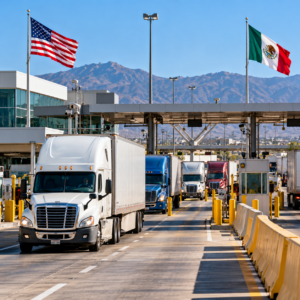
U.S.–Mexico Cross-Border Freight: Planning Ahead Keeps Shipments Moving
Freight activity between the United States and Mexico continues to play an important role in North American trade as businesses manage production and supply needs. While cross-border shipping demand has eased in some areas, trucking capacity remains tight along several key routes. This creates opportunities for businesses to review their transportation plans and make sure they have the right support in place. With manufacturing and distribution closely connected across both countries, reliable cross-border transportation remains an important part of keeping supply chains moving.
For importers and exporters, successful cross-border shipping depends on more than just finding a truck. Customs paperwork, border crossing schedules, carrier availability, and final delivery arrangements all need to work together. At Southern Star Navigation, we help our partners coordinate these important details and find transportation solutions that fit their needs. Whether freight is moving into Mexico or returning to the United States, our focus is on clear communication, careful planning, and dependable service from start to finish.

West Coast Rail Connections Create More Options for Texas-Bound Imports
Rail transportation continues to provide an important connection between West Coast ports and inland destinations across the United States. Recent shipping activity shows growing use of intermodal rail services to move imported goods from Los Angeles and Long Beach to manufacturing facilities in the Houston area. This includes increased freight movement tied to automotive production, highlighting how businesses are using rail to connect international shipments with their U.S. operations.
For importers, intermodal transportation can offer an additional option for moving containers over longer distances while managing costs and truck availability. Successful rail shipments still require coordination between the port, rail terminal, and final delivery location. Southern Star Navigation works with our partners to review available transportation options and help determine whether rail, trucking, or a combination of both makes the most sense for their shipments. Having different options available can make it easier to plan deliveries and respond when transportation needs change.

Truckload Rates Rise as Fourth-Quarter Freight Activity Picks Up
The U.S. trucking market is showing signs of stronger pricing as businesses move further into the fourth quarter of 2026. Recent freight reports show that truckload rates have generally improved from earlier in the year, although weekly changes continue to vary by equipment type and region. Dry van, refrigerated, and flatbed freight are each responding differently to shipping demand, available truck capacity, and fuel costs. For businesses planning inland transportation, these changes highlight the importance of reviewing individual shipping routes rather than relying on national averages alone.
For businesses moving imported goods from ports, warehouses, and distribution centers, understanding these changes can help with transportation planning and budgeting. Booking ahead, reviewing delivery schedules, and considering different equipment options can help keep shipments on track. At Southern Star Navigation, we work with our partners to coordinate reliable trucking services and find practical solutions for their transportation needs. Our goal is to help make the final part of the shipping journey just as dependable as the international move.