

Global Shipping & Logistics Update
Ocean Freight Rates and Vessel Capacity Shift as November Approaches
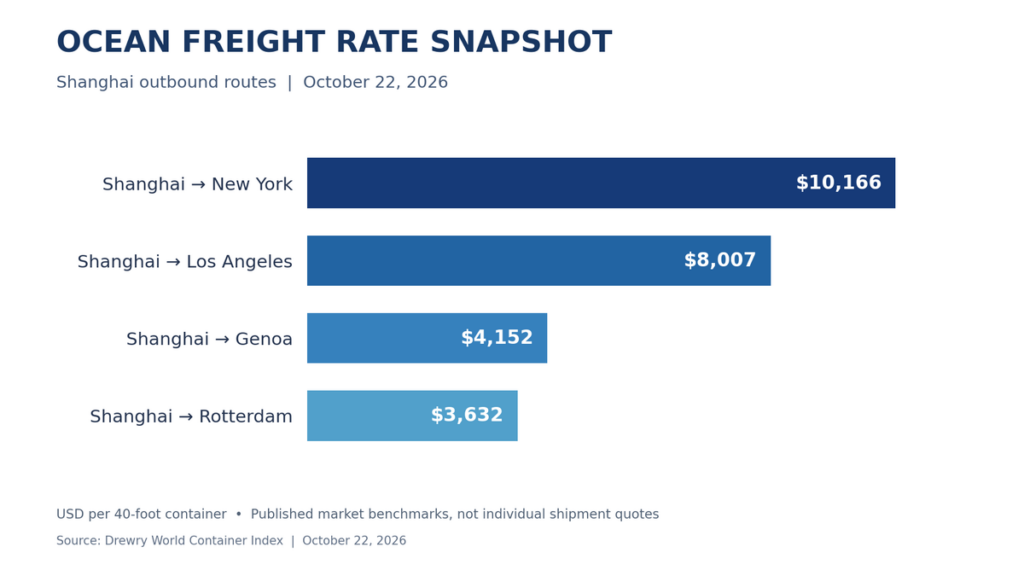
International ocean freight continues to see strong activity as October comes to a close, with shipping rates and available vessel space changing across major trade routes. According to the October 22 market update, the global container freight rate index increased 2% to $4,585 per 40-foot container, its highest level in 15 weeks. Rates from Shanghai to Los Angeles reached $8,007, while Shanghai to New York increased to $10,166. Strong U.S. import demand continues to support the market, although pricing and available space vary depending on the shipping route and carrier. As we prepare for November, ocean carriers are continuing to adjust their sailing schedules to match demand. On Asia to U.S. routes, the number of announced canceled sailings for the following week dropped from six to two, suggesting more sailing capacity may be available. Conditions are different on Asia to Europe routes, where carriers announced eight canceled sailings, up from two the previous week. These changes show why it is important to review individual shipping routes rather than assume conditions are the same across the entire market. Port conditions across Asia also remain important to watch as November approaches. While some terminals are seeing improvements, congestion and vessel waiting times continue to vary by location. Delays at major ports can still affect shipping schedules, inland transportation connections and final delivery dates. As carriers work to improve service and manage available capacity, businesses should continue monitoring their shipments and allowing some flexibility in their transportation plans. Looking ahead to November, freight rates may remain firm on certain routes as carriers manage capacity and businesses continue moving imported goods. For importers and exporters, booking ahead, reviewing sailing options and allowing flexibility in delivery schedules can help avoid unexpected changes. At Southern Star Navigation, we work closely with our partners to monitor market conditions, compare available transportation options and help keep shipments moving.
India to U.S. Ocean Freight Rates Ease as Carriers Compete for Cargo
Spot ocean freight rates on some services from India to the U.S. East Coast have fallen sharply in recent weeks after months of higher shipping costs and limited vessel space. Recent reports show that spot rates on some services have dropped by as much as $3,000 per 40-foot container over the past few weeks. Slower booking activity and additional vessel capacity are encouraging carriers to offer more competitive pricing. This is welcome news for businesses importing goods from India, especially those that have faced higher transportation costs throughout the year. However, rates and available space still vary by carrier, departure port, and destination.
As we move into November, these changes could provide opportunities for importers to review their shipping costs and explore different sailing options. While lower rates are encouraging, choosing the right service also means considering vessel schedules, transit times, and connections through other ports. At Southern Star Navigation, we work closely with our partners to compare available options and find transportation solutions that fit their shipping needs. Our goal is to help customers take advantage of favorable market changes while keeping their freight moving as smoothly and reliably as possible.
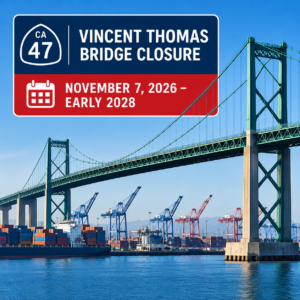
Vincent Thomas Bridge Closure: What Importers Should Know Before November 7
A major transportation route serving the ports of Los Angeles and Long Beach is preparing for an extended closure. Beginning November 7, 2026, the Vincent Thomas Bridge (State Route 47) will close for approximately 16 months while crews replace the aging bridge deck and make safety improvements. The $750 million project is expected to be completed in early 2028. While port terminals will remain open, trucks and other vehicles that normally use the bridge will need to take alternate routes. Caltrans is working with port officials and transportation providers to help manage traffic during construction.
For importers and exporters, the closure could mean longer truck travel times, additional traffic and possible increases in drayage costs on affected routes. Alternate routes and traffic management plans are already in place to help minimize disruptions. Businesses moving cargo through Southern California should review container pickup schedules, delivery appointments and transportation plans before November 7. Planning ahead and staying in close communication with transportation providers can help keep shipments moving smoothly throughout the closure. Read full article here
CBP Updates ACE Portal to Make Refund Information Easier to Access
CBP is also removing the Get Info/Refresh button, which previously required users to manually retrieve their latest ACH refund information. With this update, the portal will automatically display the current information available in CBP’s system. For importers expecting customs refunds, including potential IEEPA tariff refunds, this change makes it easier to access and review banking details. Importers should become familiar with the new section and confirm their refund information is accurate to help avoid unnecessary delays.
U.S. Customs and Border Protection (CBP) announced changes to the Automated Commercial Environment (ACE) Portal scheduled for October 29, 2026, to make managing financial information easier for importers. The existing ACH Refund Authorization tab will move under a new Financial Transactions section, bringing refund information into one central location. Importers will still be able to manage their ACH refund banking information as they do today, but with a more organized layout.
High-Tech Demand Keeps Air Cargo Moving into the Holiday Season
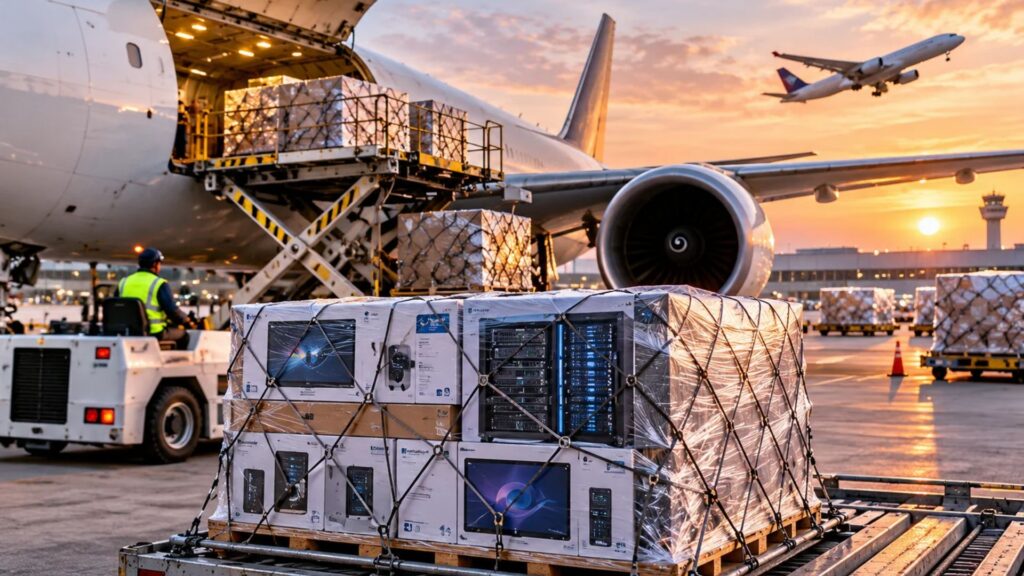
Air cargo demand continues to grow as businesses prepare for the busy holiday shipping season. Shipments of computer servers, semiconductors, electronics and equipment used in artificial intelligence (AI) data centers are helping drive demand, particularly from Asia to the United States. According to WorldACD, air cargo volumes from Asia Pacific to the U.S. increased 14% compared with the same period last year. Shipping activity also picked up following China’s Golden Week holiday, with factories reopening and exports moving again. This increase in demand is putting additional pressure on available airline cargo space.
As November approaches, businesses shipping high-value or time-sensitive products may face higher transportation costs and tighter booking options on certain routes. Air cargo rates from Asia Pacific to the U.S. were 41% higher than a year earlier, reflecting continued demand for faster transportation. While additional cargo capacity is becoming available, conditions vary by departure location and airline. Importers and exporters should consider booking early, reviewing available flight schedules and allowing flexibility when planning urgent shipments. Staying informed about changing air cargo conditions can help businesses manage costs and keep important deliveries on schedule.
CBP Updates Filing Guidance for Five China Section 301 Exclusions
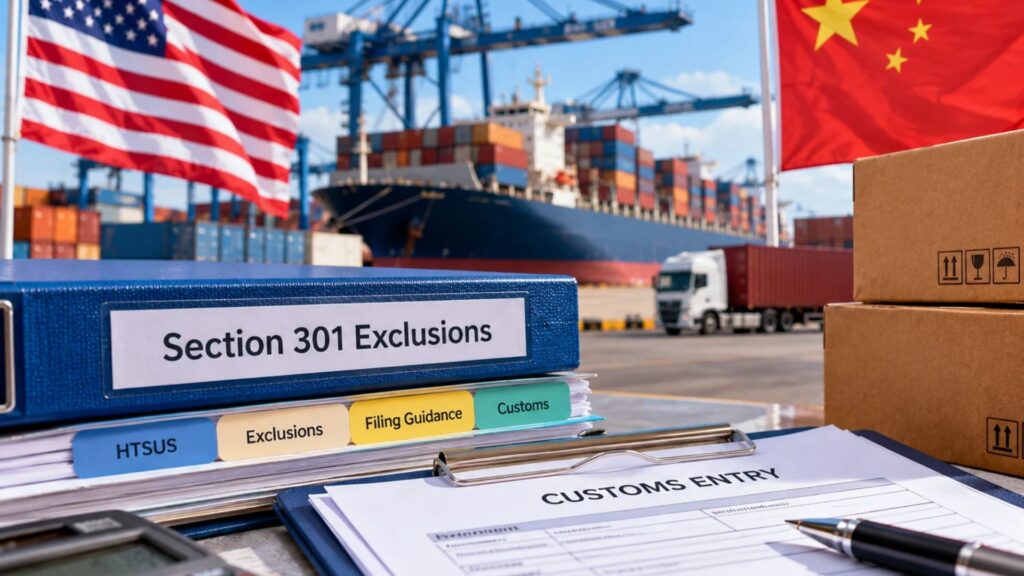
For importers bringing affected products into the United States, using the correct tariff classification is important to avoid filing errors and unnecessary duties. Businesses should review their customs entries with their broker, especially for shipments entered on or after July 1. Importers who previously paid Section 301 duties on qualifying goods may also be able to request corrections or refunds, depending on their circumstances and applicable deadlines. Staying informed about these updates can help businesses protect eligible tariff savings and keep their customs filings accurate.
U.S. Customs and Border Protection (CBP) has updated its filing guidance for five existing Section 301 China product exclusions following changes to U.S. tariff classification numbers. The updates affect certain pump parts, plastic products and machinery components, with new Harmonized Tariff Schedule (HTSUS) reporting numbers effective July 1, 2026. CBP updated ACE filing functionality to accept the revised exclusion information on October 23. These changes do not create new tariff exclusions but help ensure that qualifying products continue to receive the appropriate treatment under the existing exclusions.
Asia and Europe Shipping Routes Continue to Adjust
Ocean carriers are making changes to shipping routes between Asia and Europe as they work to improve schedules and manage available vessel space. Some shipping lines are gradually returning to the Suez Canal, which can shorten transit times compared with sailing around Africa. However, not every carrier or service has made the change, and some vessels are still using longer routes. According to Drewry’s October 23 report, carriers have announced 56 canceled sailings across major East-West trade routes from late October through November, with Asia to Europe accounting for 54% of those cancellations.
For importers and exporters, these changes could affect vessel schedules, available space and delivery dates. As more ships return to the Suez Canal, European ports may also experience periods when several vessels arrive close together, creating additional pressure on terminal operations. The encouraging news is that carriers are working to improve service and adjust capacity as market conditions change. Businesses should continue reviewing sailing schedules, confirming transit times and allowing some flexibility when planning shipments between Asia and Europe.
Rail Becomes an Attractive Option for More Long-Distance Shipments
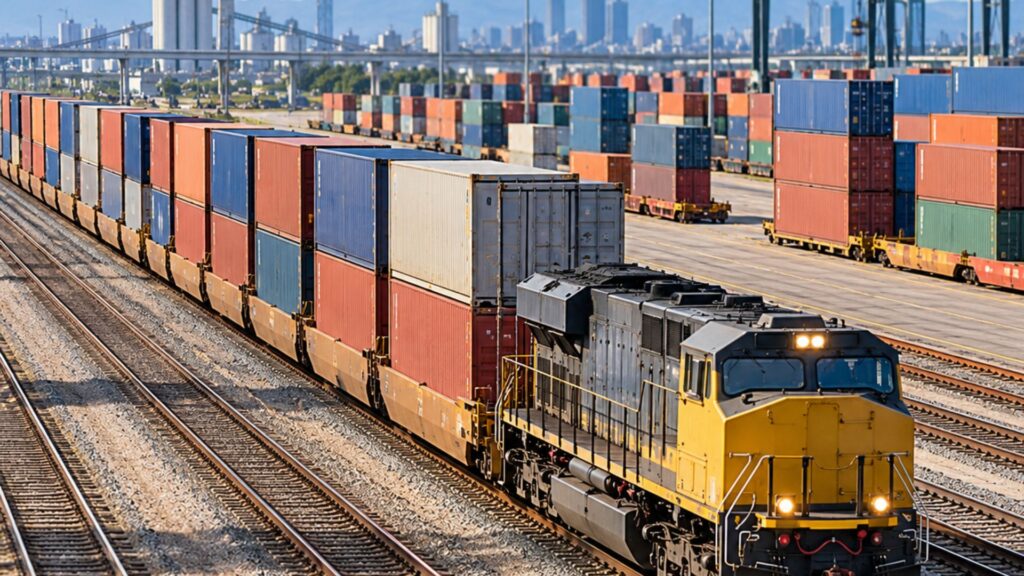
As freight moves into November, choosing between rail and trucking will depend on the shipment’s destination, delivery schedule and available transportation connections. Rail can be a cost-effective choice for longer distances, while trucks remain essential for pickups, final deliveries and shipments requiring greater flexibility. Businesses should compare transit times, total transportation costs and delivery requirements before selecting a service. Finding the right balance between rail and trucking can help keep supply chains running efficiently while managing changing market conditions.
Rail transportation is becoming a more attractive option for businesses moving freight across the United States as higher trucking costs encourage shippers to explore other transportation methods. Rising diesel prices and tighter truck capacity are making intermodal shipping, which combines rail and truck transportation, more competitive on certain long-distance routes. Recent third-quarter results from major U.S. railroads also show growth in domestic intermodal activity, reflecting increased interest in moving freight by rail. For businesses transporting imported containers or large volumes of goods inland, rail can offer an opportunity to manage costs while maintaining dependable service.
New Section 232 Action Could Affect Robotics and Industrial Machinery Imports

On October 28, 2026, President Donald Trump signed a proclamation addressing U.S. imports of robotics, industrial machinery, and their parts and components under Section 232 of the Trade Expansion Act. The announcement directs the U.S. Department of Commerce and the Office of the U.S. Trade Representative to negotiate agreements with trading partners over national security concerns. The action covers equipment used in industries such as automotive manufacturing, electronics, construction, medical devices, and food production. Importantly, the proclamation does not impose new tariffs at this time.
The Commerce Department and U.S. Trade Representative must provide an update on their negotiations within 180 days. Depending on the outcome, additional measures could be considered, including tariffs, quotas, duties, or fees. For businesses importing machinery, robotics, or related components, this is an important development to watch. Importers should review their product classifications, monitor future announcements, and discuss any potential changes with their customs brokers. Staying informed now can help businesses prepare for possible changes to import costs and requirements.
Learn More: Read the Official White House Section 232 Proclamation.
Landstar Reports Strong Third-Quarter Growth as Freight Market Improves
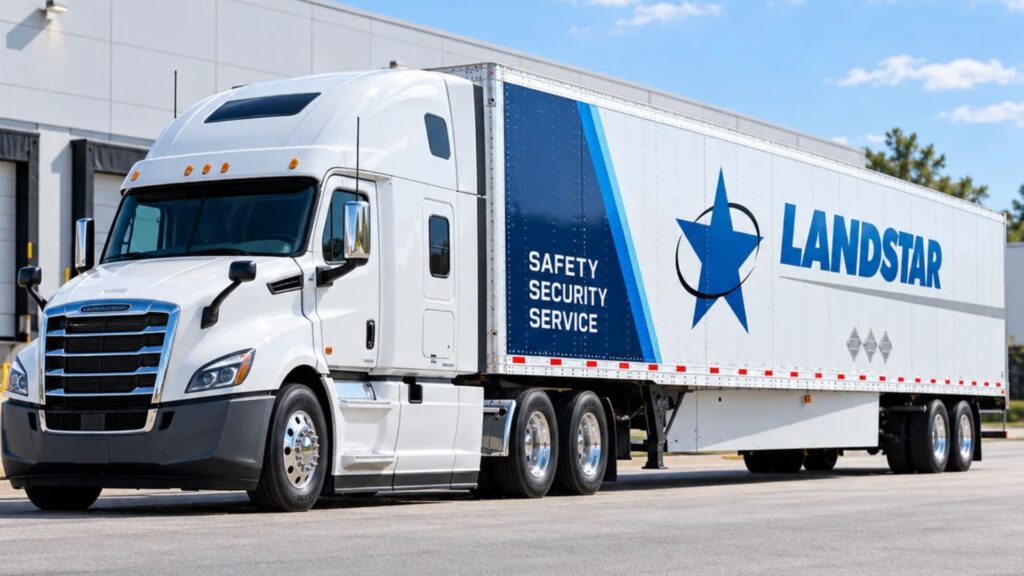
Landstar System reported strong third-quarter results on October 27, 2026, with revenue reaching $1.51 billion, an increase of 25% compared with the same period last year. Earnings per share rose to $1.42, compared with $0.56 in the third quarter of 2025. Truck transportation revenue increased 29%, supported by higher revenue per shipment and a modest increase in freight volume. Landstar also added a net 165 independent Business Capacity Owner (BCO) trucks during the quarter, its strongest quarterly improvement since 2021. The earnings comparison also reflects a one-time impairment charge recorded in 2025, while higher insurance and claims costs affected the 2026 results. Even with these challenges, Landstar reported strong revenue growth and increased truck transportation activity.
As freight market conditions continue to change, Landstar remains focused on safety, reliable service and helping customers meet their transportation needs. Its network of independent agents and transportation providers offers access to a wide range of domestic and international shipping solutions. At Southern Star Navigation, we’re proud to be part of the Landstar network and share in its commitment to building strong relationships and delivering dependable service. We look forward to continuing that commitment as we help our partners navigate the months ahead.